Window Font for Elegant Design
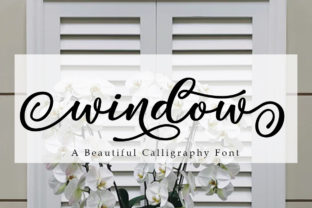
As a designer working on a lifestyle blog redesign, I found myself searching for a font that could bring warmth and personality to the site’s visual identity. That’s when I discovered Window—a sweet, soft hand-lettered script font that feels like a personal invitation to readers. Its authentic feel and graceful flow made it an instant favorite for everything from headers to social media posts.
Window for Wedding Invitations and Elegant Branding
Window is a perfect fit for wedding invitations and other elegant branding projects. The font’s delicate strokes and organic rhythm evoke a sense of intimacy and refinement. Whether used for a couple’s names, event details, or decorative accents, it adds a touch of authenticity that feels handcrafted rather than mass-produced. For a wedding guide or printable planner, Window can be paired with a clean serif font to balance its softness with readability.
- Use Window for titles and headings in a wedding blog or digital guide
- Pair it with a modern sans serif for captions and body text
- Apply it to social media graphics for a cohesive brand aesthetic
Window for Recipe Ebooks and Digital Magazines
When designing a recipe ebook, I wanted a font that felt approachable and inviting—something that would make readers feel as though they were being greeted by a friend. Window provided exactly that. Its gentle curves and flowing lines create a warm, welcoming mood that pairs beautifully with food photography and handwritten-style notes. In a digital magazine layout, it can be used for section headers, pull quotes, or even chapter openers to add visual interest without overwhelming the reader.
For long-form content, it’s important to consider how Window performs in different formats. On screens, its softness may require a bit more spacing to ensure legibility, but in print or PDFs, it shines as a decorative element that enhances the overall design. When using it for body text, it’s best to pair it with a more structured typeface to maintain clarity.
Window for Newsletter Graphics and Editorial Layouts
A newsletter header can make or break a reader’s first impression. When I designed a weekly newsletter for a wellness coaching brand, I chose Window for its ability to convey trust and sincerity. It worked well as a headline font, drawing attention while maintaining a calm, professional tone. For editorial layouts, such as a printable planner or a course PDF, Window can be used to highlight key sections or add a personal touch to design elements.
In a coaching workbook, for example, it can be used for motivational quotes or section titles. Its handwritten style gives the impression of a personal message, which is ideal for content that aims to inspire or guide. When paired with a simple sans serif for body text, it creates a balanced, visually appealing layout that’s easy on the eyes.
Window for Social Media Posts and Creative Projects
Social media is all about grabbing attention quickly. Window’s soft, flowing style makes it a great choice for eye-catching posts, especially in niches like weddings, handmade crafts, or lifestyle content. It works well as a headline font for Instagram stories, Facebook posts, or Pinterest pins. Its organic feel adds a human touch that resonates with audiences looking for authenticity and creativity.
For creative projects like printable guides or digital templates, Window can be used to add a unique flair. Whether it’s for a printable gratitude journal or a wedding checklist, the font brings a sense of warmth and individuality. It’s also useful for logo design, where its handwritten quality can give a brand a more personal and approachable feel.
Window for Print Materials and Brand Identity
When working on a print project, such as a brochure or business card, the tactile quality of a font becomes more apparent. Window’s soft, hand-lettered style translates well to physical materials, offering a sense of craftsmanship that digital fonts sometimes lack. It’s ideal for branding elements that aim to communicate care, tradition, or personalization.
For a boutique shop or independent brand, Window can serve as a key component of the visual identity. It can be used across multiple touchpoints—from packaging design to signage—creating a consistent and recognizable look. When combined with a complementary typeface, it helps establish a brand’s tone and values in a subtle yet effective way.